
What to expect in the first therapy session. You may have questions or are worried, hopefully this blog will answer some of the questions.

Are you wondering if therapy is right for you?
Perhaps you have been feeling off, anxious or overwhelmed. Maybe you’re feeling burnt out, have low motivation or experience low self-esteem. Your relationships might feel strained or draining, or you might feel disconnected from yourself and the life you’re living.
Or perhaps nothing feels particularly wrong, but there’s a sense that something isn’t quite right.
You might find yourself asking:
Do I really need therapy?
Is what I’m going through serious enough?
How do I know if counselling is right for me?
What actually happens when you go to therapy?
You don’t have to be in crisis to go to therapy. You don’t need to have everything figured out before you start. Therapy can simply be a space to pause, to build understanding about what is happening for you and to begin making sense of the things that feel difficult to navigate alone.
How do I know if therapy is right for me?
There isn’t a right or wrong answer to this question. Sometimes the decision comes after a particular event like a relationship ending, bereavement, burnout or a difficult life transition.
For other people it is less much obvious. You might notice some of the following:
- You may feel anxious or overwhelmed more often than you used to
- You may constantly be overthinking or worrying about things
- You may feel emotionally exhausted or burnt out
- You may have lost interest in the things you usually enjoy
- You may struggle to understand or express your emotions
- You may find relationships more difficult
- You may struggle to say no
- You may notice you put other people’s needs first before your own
- You may notice the inner critic becoming stronger
- You may notice repeating difficulties in relationships
- You may look like you’re coping on the outside but are really struggling underneath
- You may simply want to understand yourself better
Sometimes the following question may be more useful: Would having a safe space to explore what I am experiencing be helpful to me?
You don’t have to be in crisis to start therapy.
People come to therapy for many different reasons. They can be experiencing a pressing difficulty, some are experiencing anxiety or depression, others are navigating relationship difficulties, grief, or changes in their identity or a particular challenging life period.
And sometimes there isn’t a clear single problem at all. You may simply feel that you have lost touch with yourself.
The NHS describes counselling as a type of talking therapy where you can explore thoughts, feelings, and life experiences with a counsellor who listens and helps you find your own solutions. Therapy therefore can be more about than treating a problem. It can be about understanding yourself, your relationships and how you experience the world.
What is counselling actually like?
Another question you might be wondering about: what can I expect from therapy? Counselling is different for everyone because every person, therapist and therapeutic relationships is different. There are still many misconceptions about counselling, which might be the reason you are questioning if it is right for you.
Everyday we encounter huge amounts of information, advice, explanations or quick fixes, which can add to the feelings of anxiety. Counselling is neither of these things. Therapy is a collaborative process. It gives you a confidential space where you can talk about your thoughts, emotions, experiences and relationships. You don’t have to arrive knowing exactly what to talk about. You don’t even have to know ‘why’ you’re feeling the way you do. Together, we can begin exploring what is happening and what might be underneath it.
Sometimes that means talking.
Sometimes it means noticing what is happening in your body.
Sometimes words don’t come easily, and we might use creative approaches such as imagery to explore experiences that are difficult to put into words.
The important thing is that therapy works at your pace.
What happens in the first session?
If you have never been to therapy, the first session can feel daunting.
You might wonder:
What am I supposed to say?
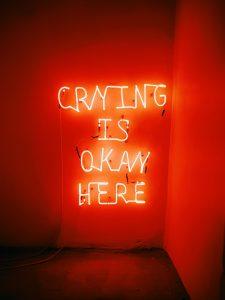
What if I cry?
What if I don’t know what tot all about?
There is no perfect way to begin.
The first session is usually an opportunity for us to get to know each other and explore what has brought you to therapy. We can talk about what you’re experiencing, what you would like support with and what you hope might change. You can also ask questions.
I am here to listen. I will ask questions, shed light on your strengths and might gently challenge certain thoughts. I won’t tell you what to do, but guide you to solutions I believe you already have within you. We will work at your pace.
What can counselling help with?
Anxiety
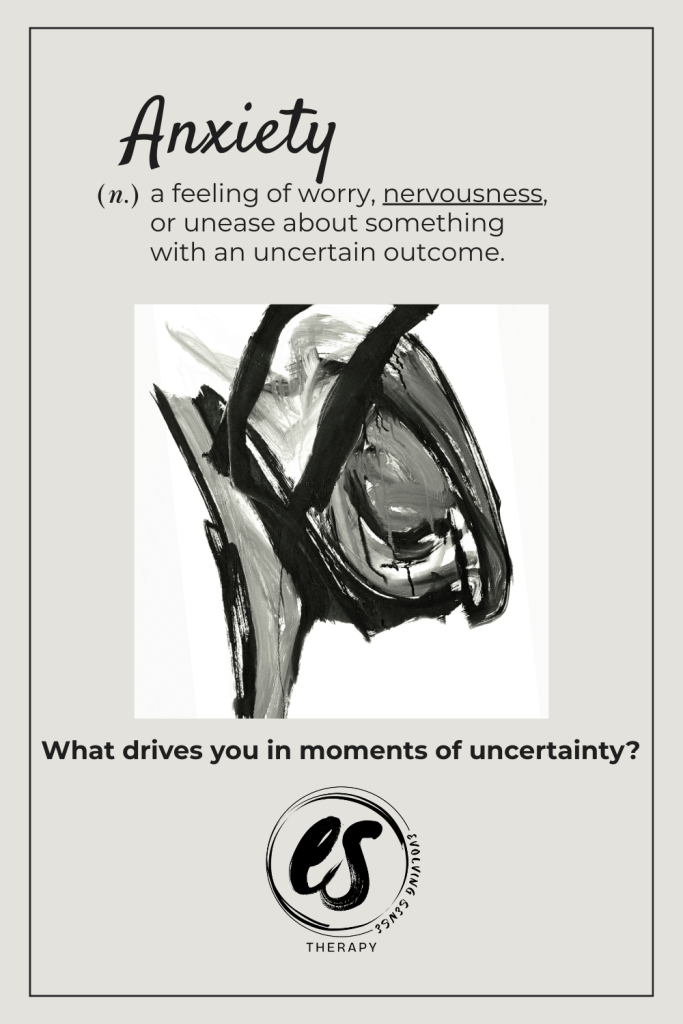
Anxiety can show up in many ways. You might find yourself constantly worrying, overthinking conversations, anticipating what could go wrong or struggling to switch off.
Therapy can offer a space to understand your anxiety and explore the patterns behind it.
Burnout and emotional exhaustion
Burnout can leave you feeling exhausted, disconnected and unable to keep doing the things in the way you once did. You may still be functioning and getting everything done, while feeling completely depleted underneath.
Therapy can provide a space to explore what has contributed to your burnout, what your needs are and what might need to change.
Low self-esteem and self-worth
Perhaps you constantly question yourself. You might struggle to trust your decisions, perhaps you compare yourself to other people endlessly or you apologise unnecessarily or feel that you aren’t good enough.
Therapy can help you explore where these patterns have come from and develop a more compassionate relationship with yourself.
Relationship difficulties
Relationships can bring up some of our deepest fears and vulnerabilities. You might struggle with boundaries, people-pleasing, conflict, communicating or feeling responsible for other people’s emotions.
Therapy can offer a place to understand there patterns and explore different ways of relating to yourself and others.
Feeling disconnected from yourself
Sometimes people come to therapy because they do not recognise themselves anymore. You might know what everyone else needs from you but have lost touch with what you need. You may feel numb, stuck or disconnected from your emotions. Have lost connection with the things that used to be important to you or that gave you joy.
Therapy can be a place to slow down and begin understanding the signs and patterns that led you here and a way to start reconnecting with yourself.
What are the benefits of counselling or psychotherapy?
There is no quick fix. You are not broken and therapy isn’t about fixing you.
Instead, therapy can provide an opportunity to:
- Feel heard: sometimes having someone genuinely listen without judgement can be powerful in itself.
- Understand yourself: therapy can help you notice patterns in your thoughts, emotions and behaviour.
- Develop greater self-awareness: understanding why you respond to situations in particular ways can create new possibilities and choices.
- Build self-compassion: many of us are much harder on ourselves than we would ever be on another person. Extending that compassion towards yourself can create more space.
- Explore difficult emotions: therapy provides a space where emotions don’t have to be pushed away or immediately solved.
- Understand your relationships: you can explore patterns around boundaries, communication, conflict, attachment and connection.
- Find new ways forward: rather than being told what to do, therapy can help you discover possibilities that feel right for you.
Is therapy worth it if I can usually cope own my own?
This is another good question.
You may be someone who is very capable. You might have coped with difficult experiences before. You may have supportive friends and family. You might have a successful career and a life that looks fine from the outside.
Any yet, you may be still struggling.
Being able to dope does’t mean you the to cope with everything alone.
Therapy can give you something that friends and family can’t always provide: dedicated time and space to focus on yourself, your experiences and your inner world.
You don’t have to wait until things become unbearable.
Online therapy or in person therapy?
Research have shown that both therapy online and in person have great effect. Some people prefer in person therapy because they value having a dedicated physical space away from everyday life.
Others prefer online therapy because it can feel more comfortable and convenient to talk from their own environment. Online therapy can also make counselling more accessible when travel, work, caring responsibilities or location make attending in person difficult.
I offer online therapy across the UK, as well as in person therapy in Eastbourne.
How do I choose the right therapist for me?
Finding a therapist isn’t just about finding someone who works with the issue you’re experience.
The relationship matters too. You might want to consider whether their approach feels comfortable to you, whether you feel listened to and whether they are appropriately qualified and registered. You can find out more about choosing a therapist through the National Counselling and Psychotherapy Society (NCPS).
You don’t have to know immediately where a therapist is the right one. A first conversation can help you get a sense of whether working together feels right.
What if I don’t know what is wrong?
That’s ok too. You don’t need to arrive to therapy with a perfectly ordered story or a diagnoses.
Sometimes all you know is:
I don’t feel like myself.
I’m exhausted.
I don’t know why I’m so anxious.
I keep doing this in relationships and I don’t know why.
I feel overwhelmed all the time.
I know something needs to change, but I don’t know what.
All of these are valid starting points for therapy. We can begin what you do know and explore the rest together.

So, is therapy right for you?
Only you can answer that. But if you have been wondering about therapy for a while, that curiosity may be worth listening to.
You don’t need to be in crisis.
You don’t have to know exactly what you want to talk about.
You don’t need to have all the answers before you begin.
Therapy can be a space to slow down, feel heard and begin making sense of what is happening beneath the surface.
It can be a place to understand your patterns, reconnect with yourself and explore what you ight want your life and relationships to look like.
Taking the first step can feel vulnerable.
You might feel nervous about talking to someone you don’t know. You might wonder whether your problems are ‘big enough’. You might worry about what will happen if you start opening things up.
All of that is understandable.
If you are wondering whether therapy might be right for you, you are welcome to start with a conversation.
I offer counselling and psychotherapy online across the UK and in person in Eastbourne. We can explore what’s bringing you to therapy and whether working together feels like the right fit.
You can book a free conversation or a session here. Alternatively, you can find out more about how I work here.
A final thought.
Sometimes the first step towards therapy isn’t a diagnosis or a crisis.
Sometimes it is simply asking yourself: How am I, really?
And being willing to listen to the answer.
Eefje
#MentalHealthMatters #CheckIn #HumanConnection


Why is it so hard to express my needs?Many people know what they need. Yet when it comes to expressing those needs, something gets in the way. Read the blog to learn more and what small steps you can take.

What is trauma-informed therapy? A blog exploring what trauma is, what the therapy can look like and how it can help you.