

Why is it so hard to express my needs?Many people know what they need. Yet when it comes to expressing those needs, something gets in the way. Read the blog to learn more and what small steps you can take.

Relational grief, somatic awareness, and self-compassion for adults navigating relationships

The turn of a new year often brings expectations of hope and renewal. Yet, for many adults, it quietly stirs grief — especially grief tied to relationships and the futures we imagined. When something we hoped for doesn’t come to pass, the loss isn’t just emotional; it is often held in the body as heaviness, tension, or a feeling of being stuck between what was and what is.
This kind of grief can feel isolating, especially when it doesn’t fit familiar narratives of loss. As we enter a new year while carrying the past, it can be helpful to slow down, notice what our bodies are still holding, and meet ourselves with gentleness rather than pressure to “move on.”
“Grief is not a problem to be solved but a process to be lived — with compassion and presence.”
1. Shifting Dynamics in Families
Changes in family relationships — through conflict, illness, estrangement, or evolving roles — can deeply unsettle our sense of belonging. Even necessary shifts often come with grief for the family we wished we had or once experienced.
Somatic signals may include:
- Tightness in the chest or shoulders
- A sense of vigilance or tension
- Fatigue or restlessness around family interactions
Recognising these physical responses can be empowering. Your nervous system is signalling what matters to you, and noticing it is the first step toward compassionate self-care.
2. A Different Future Than Envisioned

Sometimes, the hardest grief comes from futures that never unfolded—marriage, children, reconciliation, or shared milestones.
The body may carry this loss as:
- A dull ache or heaviness
- Fatigue or low energy
- A subtle feeling of emptiness during moments of reflection
It’s okay to mourn what didn’t happen. Allowing space for this grief is a courageous act and helps you integrate loss without forcing yourself to “replace” it with new goals.
3. Loss of Sense of Self Within a Romantic Relationship
In some relationships, parts of the self can become quieted or lost. When the relationship changes or ends, grief may surface — not just for the partner, but for the version of yourself that was muted.
Physical cues might include:
- Numbness or disorientation
- Tension in the body
- A quiet sadness or feeling of disconnection from your desires
Reconnecting with yourself starts with gentle curiosity: noticing what feels authentic, honouring your feelings, and allowing time for your sense of self to re-emerge.
Grounding Practice: Gentle Somatic Awareness
Before you finish reading, try this simple practice:
- Pause. Notice where your body feels supported — feet on the floor, back against a chair.
- Feel. Name one place that feels heavy, tight, or tender.
- Soften. Place a hand there or slow your breath, letting your body know it’s safe.
- Remind. You don’t have to fix this. You don’t have to carry it alone.
- Breathe. One slow inhale, a longer exhale. Gentleness is enough for now.
Moving Forward With Compassion

The new year can bring grief from family shifts, unrealised futures, or the loss of self in relationships. These feelings often live in the body as tension, heaviness, or fatigue. Moving slowly and meeting yourself with compassion is not a weakness — it’s empowerment.
Counselling provides a safe space to explore these emotions, reconnect with your sense of self, and develop gentle coping strategies. You don’t have to carry relational grief alone — support is available.
“Healing is not about rushing forward — it’s about honouring the past, feeling what is present, and allowing yourself to be whole again.”
💕
#Griefinthebody #RelationalLoss #NewYearReflection
References
- Worden, J. W. (2009). Grief Counseling and Grief Therapy: A Handbook for the Mental Health Practitioner (4th ed.). Springer Publishing.
- Ogden, P., Minton, K., & Pain, C. (2006). Trauma and the Body: A Sensorimotor Approach to Psychotherapy. Norton & Company.
Photos by Reinhard Wiesinger

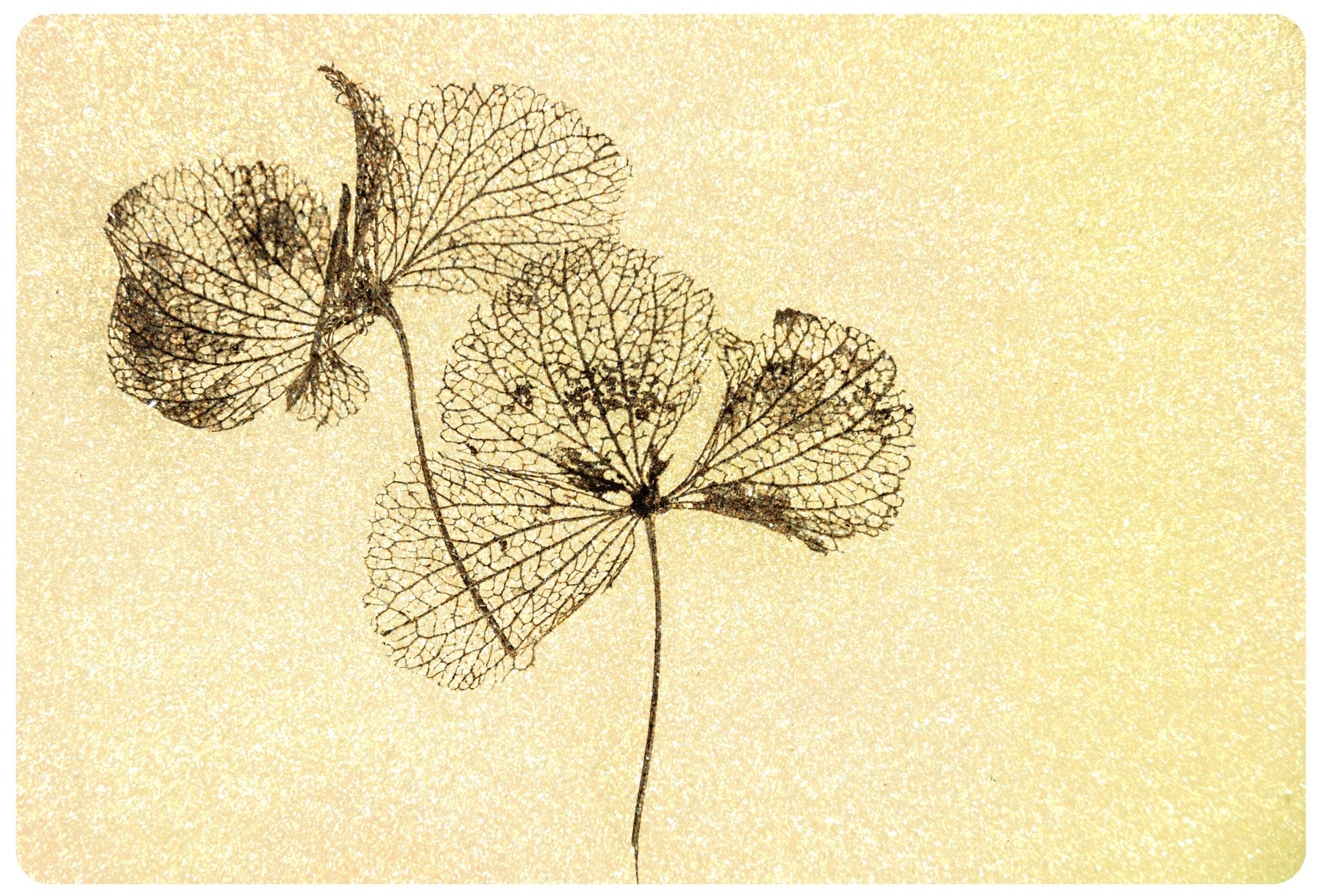
What is trauma-informed therapy? A blog exploring what trauma is, what the therapy can look like and how it can help you.
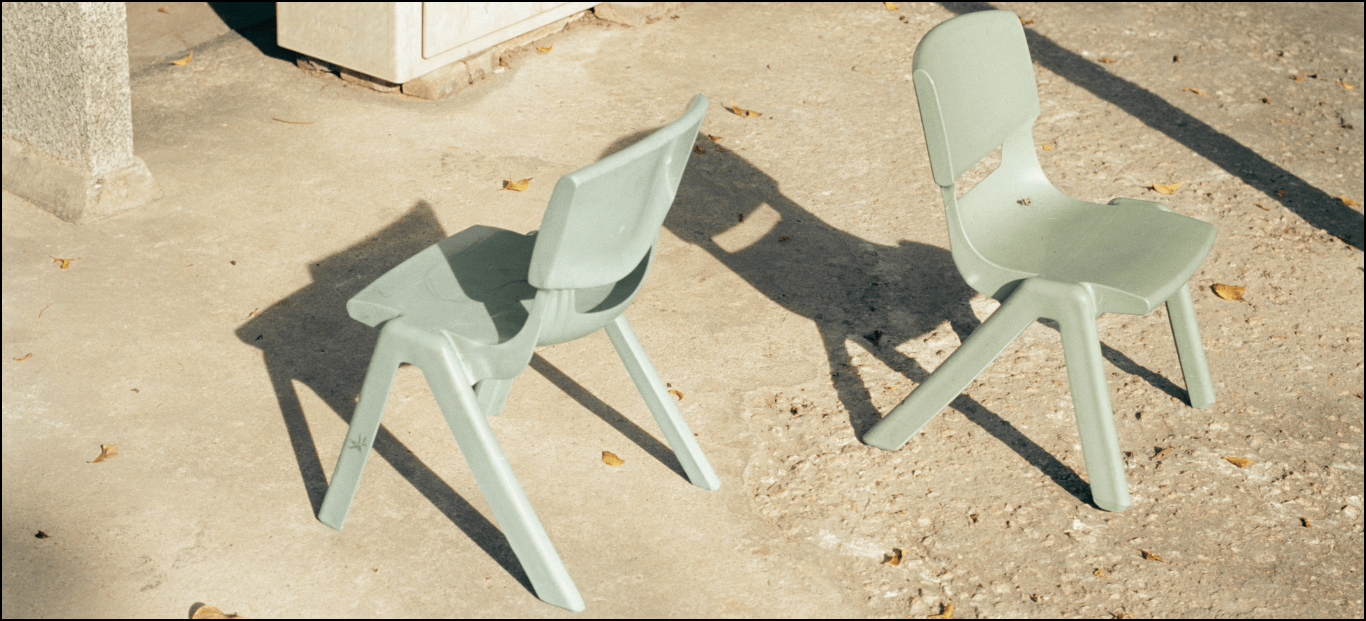
Why do we keep having the same arguments? Arguments happen in the best of relationships, but what if you find yourself stuck in the same argument over and over?