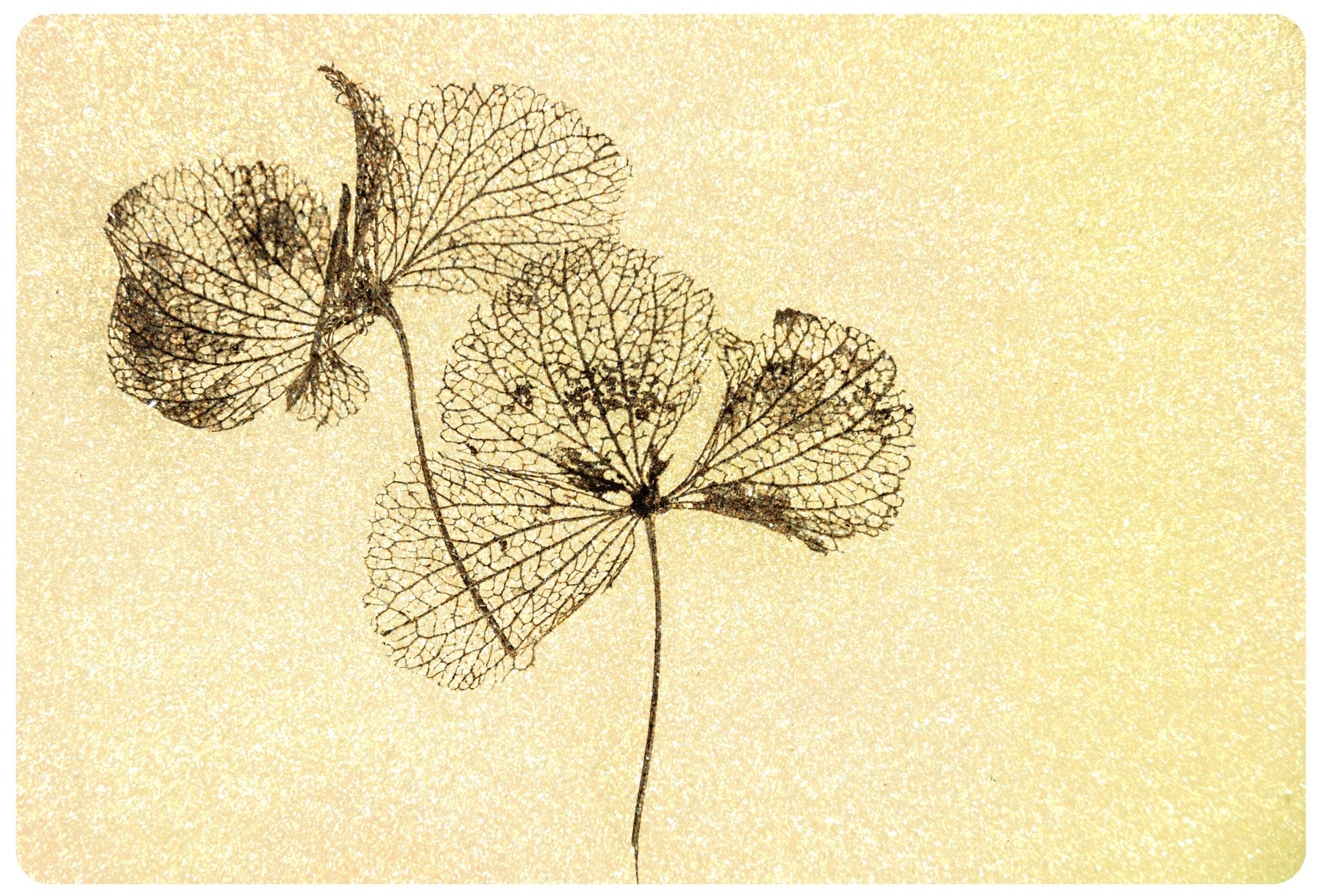

Listening to silence without pushing it away.

This article is part of the When Silence Lives in the Body series exploring how silence, self-expression, and the nervous system interact. You can view the full series here.

Silence in the body blog series, week 5.

Silence in the body can feel heavy, uncomfortable, or even frustrating. My previous blogs in this series looks at different aspects of this silence and you can read that here. Silence can increase anxiety when we start worrying about what is happening. Often, we are taught to fix it, push through it, or fill the quiet with action or words. But what if we approached it differently, with curiosity and gentle attention rather than force?

Listening to silence without pushing it away. When silence lives in the body blog series.

Silence as communication

We can look at our silence as a from of communication rather than absence. The silence is speaking volumes, but we may have forgotten to or are afraid to listen closely.

When we start to listen slowly to the small cues it will allow the body to feel seen and acknowledged, even without words. The opposite is also true; when we try to force to put things into words or try to force to move away from it, it can reinforce tension.

Gentle noticing can shift this.

If you are interested in a gentle, small exercise that can help you to start noticing the cues of silences, sign up below to receive the workbook with all the somatic exercises for this blog series.


Relational therapy

Relational therapy can give support in this process by helping the body learn that it is safe to simply exist without being pushed. This can be deeply validating for both mind and body.

Within the therapeutic relationship, trust is build. Trust to know when you are safe. A safe place where you can start to listen. That is the first step of finding connection again. To be able to listen to what the silence means and to learn to feel what’s happening in the experience, from the inside out.

Key Insights

  • Silence is a form of communication, not absence.
  • Observing silence allows the body to feel seen and acknowledged, even without words.
  • Forcing speech or movement can reinforce tension; gentle noticing can release it.

Next week

Our next blog will be about how to safely start finding ways to express yourself, in small steps.

Closing

Your voice belongs to you, even when it’s quiet. By simply noticing your body’s silence, you create a space where voice can emerge naturally and safely.

Featured post

About Eefje

Eefje is a fully qualified counsellor and psychotherapist in training. Supporting adults, young people and children.

Like to know more?

Want to give yourself a bit of time, more information or connection to address your questions, challenges, burnout or understanding? Contact me or book an online session.

Other blogs

Why is it so hard to express my needs?Many people know what they need. Yet when it comes to expressing those needs, something gets in the way. Read the blog to learn more and what small steps you can take.

What is trauma-informed therapy? A blog exploring what trauma is, what the therapy can look like and how it can help you.
Why do we keep having the same arguments? Arguments happen in the best of relationships, but what if you find yourself stuck in the same argument over and over?

Copyright 2026 © Evolving Sense Therapy